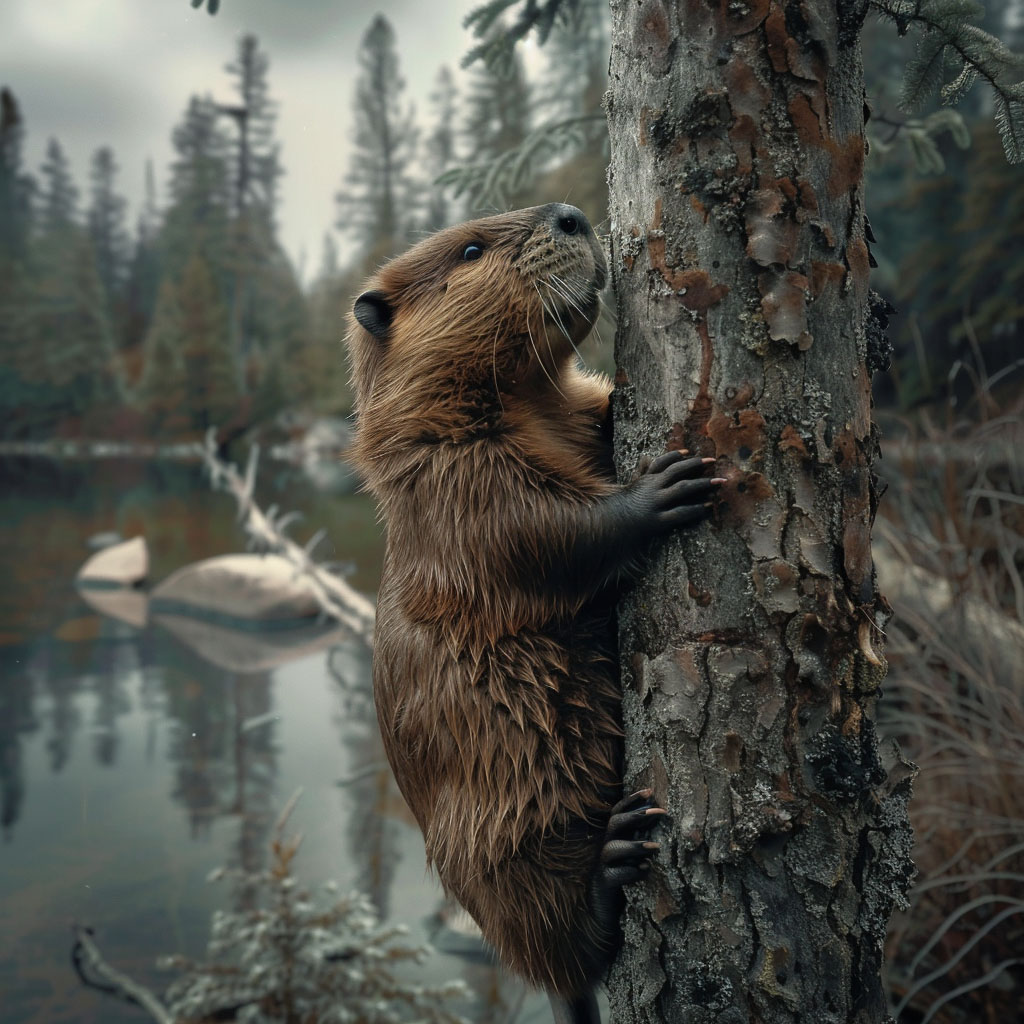
Nature's Architects: How Beavers Are Reshaping Our Environment
Across North America and Europe, a remarkable ecological phenomenon is unfolding. Beavers, once hunted to near extinction, are experiencing a dramatic resurgence—and their return is transforming landscapes in ways both beautiful and challenging.
These industrious rodents, often called 'ecosystem engineers,' don't just build dams; they create entire wetlands that support biodiversity, improve water quality, and mitigate climate change effects.
The Engineering Marvel
A single beaver family can construct dams spanning hundreds of feet, using sophisticated techniques that would impress human engineers. Their structures are dynamic, constantly modified in response to water flow and environmental conditions. Dr. Samuel Waters, a wildlife biologist at Cornell University, explains, 'Beavers possess an innate understanding of hydrology that we're only beginning to comprehend.'
The resulting ponds create habitats for fish, amphibians, and waterfowl while recharging groundwater and filtering pollutants. Recent studies show beaver-created wetlands can store millions of gallons of water, reducing flood risks downstream.
Human-Wildlife Coexistence
While their environmental benefits are undeniable, beavers sometimes clash with human infrastructure. Innovative solutions like 'beaver deceivers'—flow devices that prevent flooding while allowing dam construction—offer promising alternatives to traditional removal methods.
As climate change intensifies, these furry engineers may become unexpected allies in our efforts to create resilient ecosystems. The question isn't how to stop them, but how to coexist with nature's most persistent and beneficial architects.