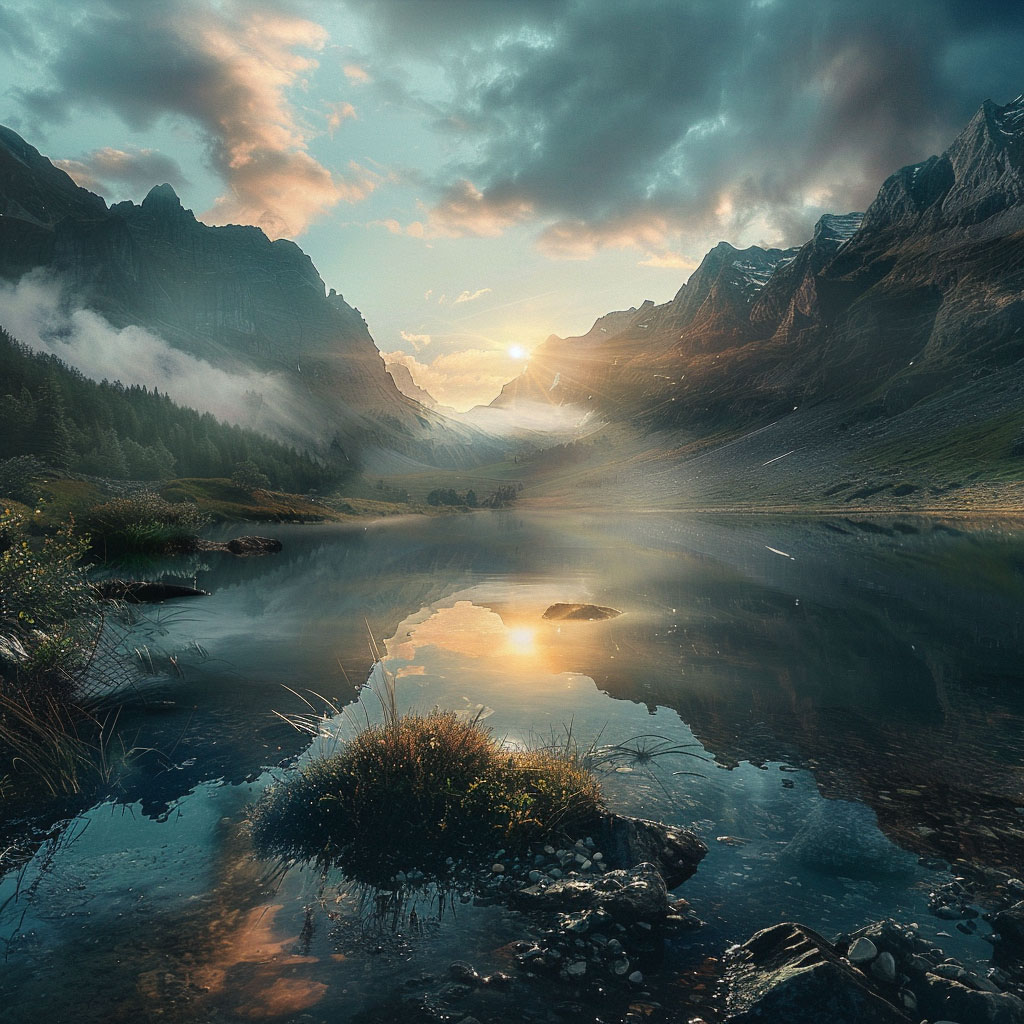
Through the Lens: Landscape Photography as Environmental Advocacy
In an era of climate crisis and biodiversity loss, landscape photographers have evolved from mere documentarians to powerful advocates for conservation. Their images do more than capture beauty—they tell urgent stories about our changing planet.
The great Ansel Adams once said, 'A true photograph need not be explained, nor can it be contained in words.' Today's environmental photographers build on this legacy, using their craft to bridge the gap between scientific data and public understanding.
The Art of Witness
Consider the work of photographers like James Balog, whose Extreme Ice Survey project visually documented glacial retreat over decades, making abstract climate data viscerally real. Or Cristina Mittermeier, whose SeaLegacy collective uses imagery to protect marine ecosystems.
'We're not just creating pretty pictures,' Mittermeier explains. 'We're creating emotional connections to places most people will never visit. That connection is the first step toward caring, and caring leads to action.'
Technical Mastery Meets Environmental Consciousness
Modern landscape photography balances artistic vision with ethical practice. Leading photographers now follow principles like Leave No Trace, use carbon-neutral travel methods, and often donate proceeds to conservation efforts.
The equipment has evolved too—from drones capturing unprecedented aerial perspectives to specialized filters that reveal pollution invisible to the naked eye. Yet the fundamental challenge remains unchanged: capturing light, composition, and moment in a way that moves viewers.
As climate journalist David Wallace-Wells notes, 'The most powerful climate stories aren't told in degrees Celsius or tons of carbon, but in images of what we stand to lose—and what we might still save.'
For aspiring photographers, the message is clear: Your lens can be a tool for change. Every image that inspires someone to care about our planet contributes to a larger story of preservation and hope.