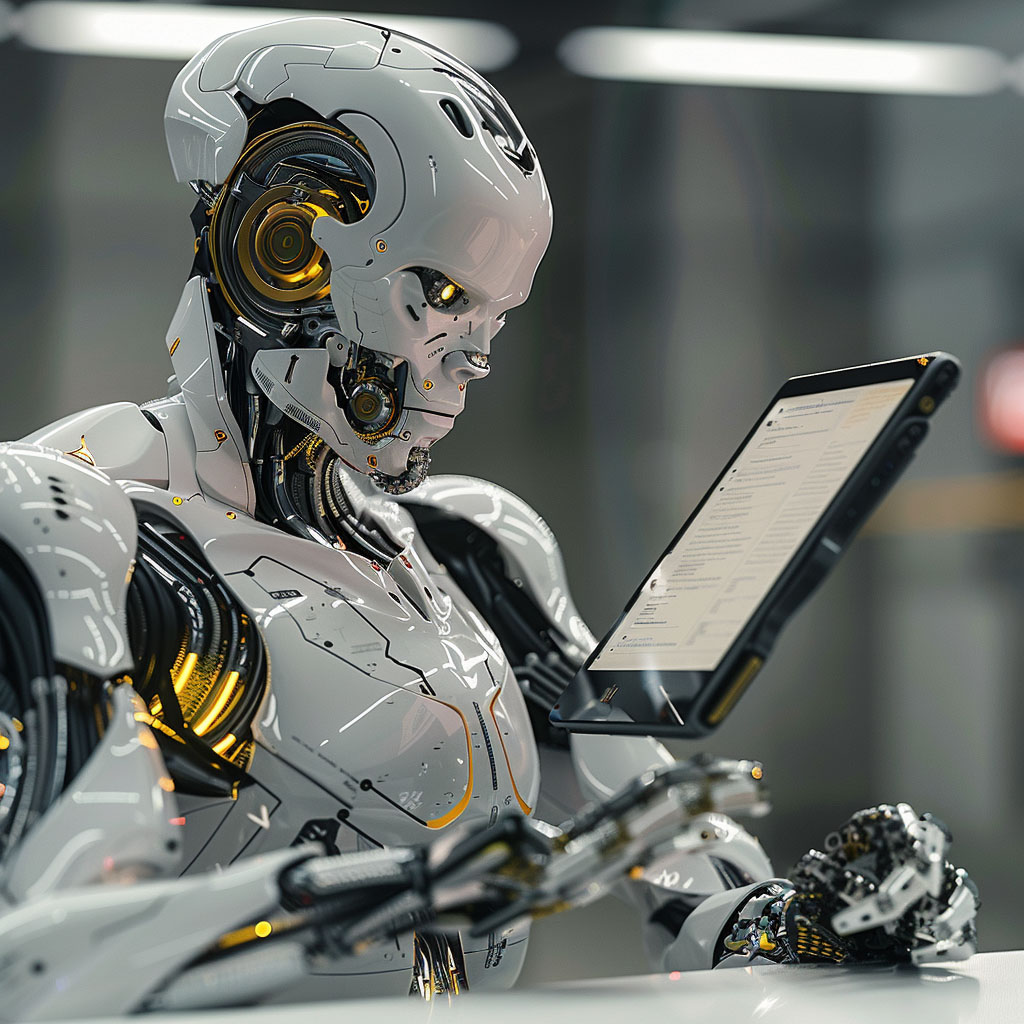
The AI Paradox: Augmentation vs. Replacement in the Digital Age
Since the groundbreaking release of advanced AI systems in late 2022, the world has been grappling with a fundamental question that echoes through corporate boardrooms and coffee shops alike: Will artificial intelligence render human workers obsolete, or will it become our greatest collaborative partner?
The reality is far more nuanced than simple replacement narratives suggest. AI represents not a competitor, but a transformative tool—one that automates routine tasks while simultaneously augmenting uniquely human capabilities like creativity, emotional intelligence, and strategic thinking.
The Collaborative Future
Consider the medical field, where AI algorithms now analyze medical images with superhuman accuracy, yet final diagnoses and patient care remain firmly in the hands of compassionate physicians. Or the creative industries, where generative AI assists writers and designers while human editors curate and refine the output.
The true challenge lies not in technological advancement, but in societal adaptation. As MIT researcher Dr. Elena Rodriguez notes, 'The most successful organizations will be those that redesign workflows around human-AI collaboration rather than automation alone.'
Beyond the Hype Cycle
History reminds us that technological revolutions create more jobs than they eliminate, albeit different ones. The steam engine didn't end human labor—it transformed it. Similarly, AI won't replace humans but will redefine what human work means, shifting our focus toward more complex problem-solving, ethical oversight, and creative innovation.
The future remains unwritten, but one truth emerges clearly: AI's impact depends entirely on human choices about governance, education, and economic systems designed to benefit all of society.